
Building a Strong Safety Culture
Why the best safety outcomes start long before work begins
By Chris Carleton, HSEQ Manager
When people talk about safety culture, the conversation often turns quickly to systems, procedures and compliance. Those things matter, but I've never believed they are what creates a genuinely safe workplace.
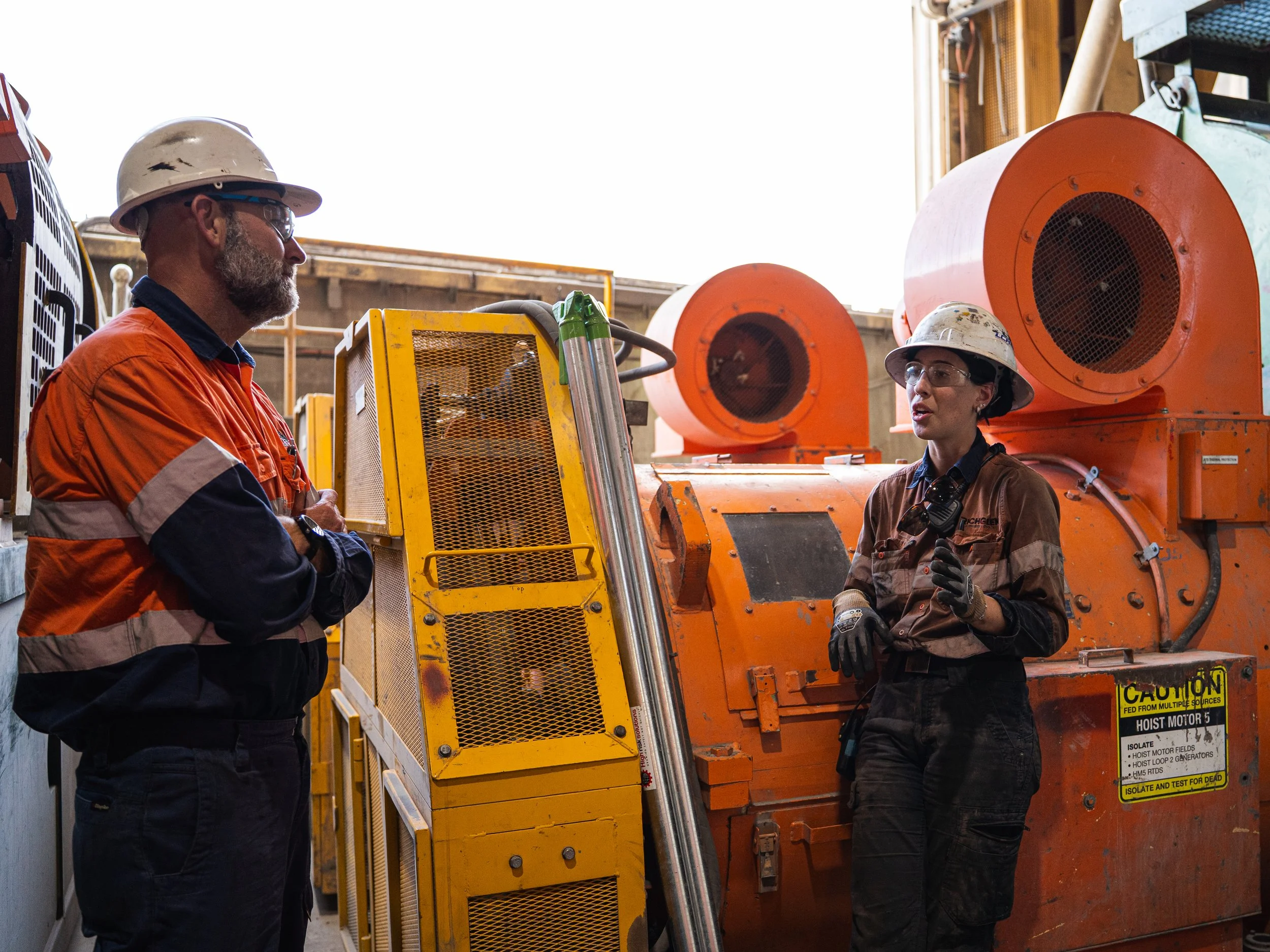
To me, safety culture comes down to two things: the standard we accept and the energy we invest in preventing the next incident.
The organisations with the strongest safety cultures aren't necessarily the ones with the biggest safety departments or the most paperwork. More often than not, they're the ones that have built an environment where people care about each other, where planning is valued, and where learning is prioritised over blame.
Over the years, one lesson has become increasingly clear to me: Safe outcomes don't happen by accident.
The Compliance Trap
One of the biggest misconceptions I see is the belief that safety comes at the expense of productivity.
When times are tough and margins are tight, safety can be viewed as something that costs money and slows progress. In reality, I've found the opposite to be true.
Most good safety outcomes are the result of good planning. The same planning that prevents incidents also prevents rework, reduces delays, improves quality and helps teams execute work more effectively.
A compliance mindset focuses on doing what is required.
A safety culture focuses on doing what is necessary.
There's an important difference.
Organisations operating in a compliance mindset are often looking backwards, asking whether they've met their obligations. Organisations with strong safety cultures are looking forwards, asking what could go wrong and what they can do today to prevent it.
The reality is that workplaces are dynamic. Conditions change. People are required to make decisions in real time. A rigid compliance mindset doesn't always prepare people for that.
A strong safety culture does.
If You Want Better Safety, Start With Better Planning
If I could give one piece of advice to any organisation wanting to strengthen its safety culture, it would be simple: Strengthen your planning culture.
Most incidents don't appear out of nowhere. When we take the time to investigate them properly, we often discover the warning signs were there long before the event occurred.
The plan wasn't detailed enough. The risks weren't fully understood. The conditions changed and nobody stopped to reassess.
That's why I believe safety starts long before a job begins. It starts in the conversations beforehand. It starts with asking questions. It starts with understanding what success looks like and what could prevent us from getting there.
Preparation isn't just a safety activity. It's a business activity. The organisations that consistently achieve strong safety outcomes are often the same organisations that consistently deliver strong operational outcomes because the discipline of planning improves everything.
Productivity improves. Quality improves. Client outcomes improve.
There are three keys to success: Preparation. Preparation. Preparation.
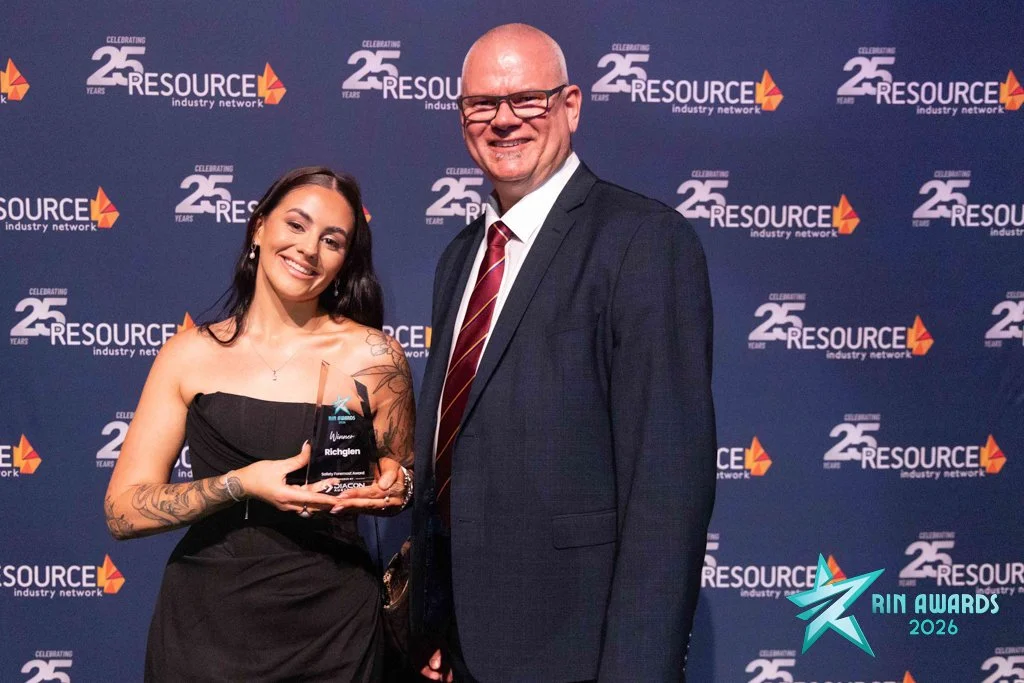
Richglen was awarded the Safety Foremost Award at the 2026 Resource Industry Network Awards
Leadership Sets the Tone
Safety culture only works when it is led from the top.
The Australian workforce has a good nose for BS. People know when leaders genuinely believe in something and they know when they're simply repeating what they think they're supposed to say.
You can't build a strong safety culture if leaders talk about safety but accept shortcuts when schedule pressure starts building.
You can't build a strong safety culture if leaders walk past behaviours they know don't meet the agreed standard.
What leaders tolerate becomes the standard.
The best safety leaders understand this. They protect the standard, especially when it's difficult. They reinforce the importance of planning. They encourage people to identify hazards and speak up when something doesn't feel right.
Most importantly, they make their commitment visible.
I've always liked the idea of "the shadow of the leader". Whether leaders realise it or not, their behaviour influences everyone around them. If people see leaders genuinely invested in safety, those behaviours start to spread. If they don't, a very different culture develops.
Building Trust Before You Need It
Every workplace relies on trust.
In high-risk industries, we're constantly working around other people, equipment, vehicles and changing conditions. We rely on those around us to not only keep themselves safe, but to help keep us safe too.
To build a strong safety culture, we need to adopt the mindset of being our brother's keeper. Looking out for the people around us shouldn't be optional; it should be part of how we work.
That's why trust is such a critical part of safety culture.
People need to feel comfortable speaking up when something doesn't look right.
They need to feel confident asking questions.
They need to know they can stop work if conditions change.
Most importantly, they need to know they'll be supported when they do.
The strongest teams I've worked with are not necessarily the teams with the most experience. They're the teams where people trust each other enough to have honest conversations.
Creating that environment takes effort.
Leaders have to actively encourage people to raise concerns. They have to listen. They have to acknowledge good catches. And when someone identifies a hazard or prevents a situation from escalating, that behaviour should be recognised and celebrated.
The more we reinforce those actions, the more they become part of the culture.
Learning Beats Blame Every Time
One of the most important shifts any organisation can make is moving from a blame mindset to a learning mindset.
When something goes wrong, our natural reaction is often to ask who made the mistake.
A better question is: how did the plan allow the mistake to happen?
High reliability organisations understand that people will make mistakes. They're human. The goal isn't to eliminate human error. The goal is to build systems, plans and controls that prevent errors from becoming incidents.
When something doesn't go according to plan, I believe leaders should resist the urge to immediately allocate blame.
Stop. Reflect. Understand where the plan failed.
Identify the vulnerabilities. Strengthen the controls.
Then move forward better prepared than before.
This approach creates continuous improvement. It also encourages transparency, because people are much more willing to share information when they know the primary goal is learning rather than punishment.
That's important because some of the most valuable lessons come from events where nobody was hurt. Just because someone got lucky today doesn't mean they'll get lucky tomorrow. The potential outcome of an event often tells us much more than the actual outcome.
That's why organisations should focus on learning from near misses and Priority Learning Events with the same rigour they apply to incidents that result in harm. Every event provides an opportunity to improve the plan and reduce the likelihood of the same thing happening again.
Safety Is Personal
While leadership plays a critical role, culture ultimately belongs to everyone.
Every team member has a responsibility to identify hazards, communicate concerns and take action when something doesn't look right.
I've always believed the best person to put in charge of someone not getting hurt is that person themselves.
The challenge for organisations is helping people connect with why that matters.
For some people it's family. For others it's mates, hobbies, holidays or simply the lifestyle they've worked hard to build. Whatever the reason, safety becomes far more powerful when it's personal.
When people understand what's waiting for them at home, safety stops being a procedure and starts becoming a choice they make every day.
That's what Think Safe. Work Safe. Home Safe. really means.
Think Safe by planning first, allowing time for preparation and encouraging questions.
Work Safe by following the plan while staying alert enough to adapt when conditions change.
Home Safe by completing the job successfully, taking the learnings forward and returning to the people who matter most.
More Than a Moral Obligation
There is, of course, a moral obligation to keep people safe. That should never be lost. But there is also a practical reality that organisations sometimes overlook.
Businesses that plan well generally operate better.
Businesses that communicate openly generally perform better.
Businesses that learn from mistakes generally improve faster.
All of those things contribute to safety, but they also contribute to operational success.
That's why I've never viewed safety as something separate from business performance. The two are closely connected.
When organisations invest in planning, trust, leadership and learning, they don't just create safer workplaces.
They create stronger businesses. And that's why, apart from the moral obligation, investing in safety simply makes your business run better.
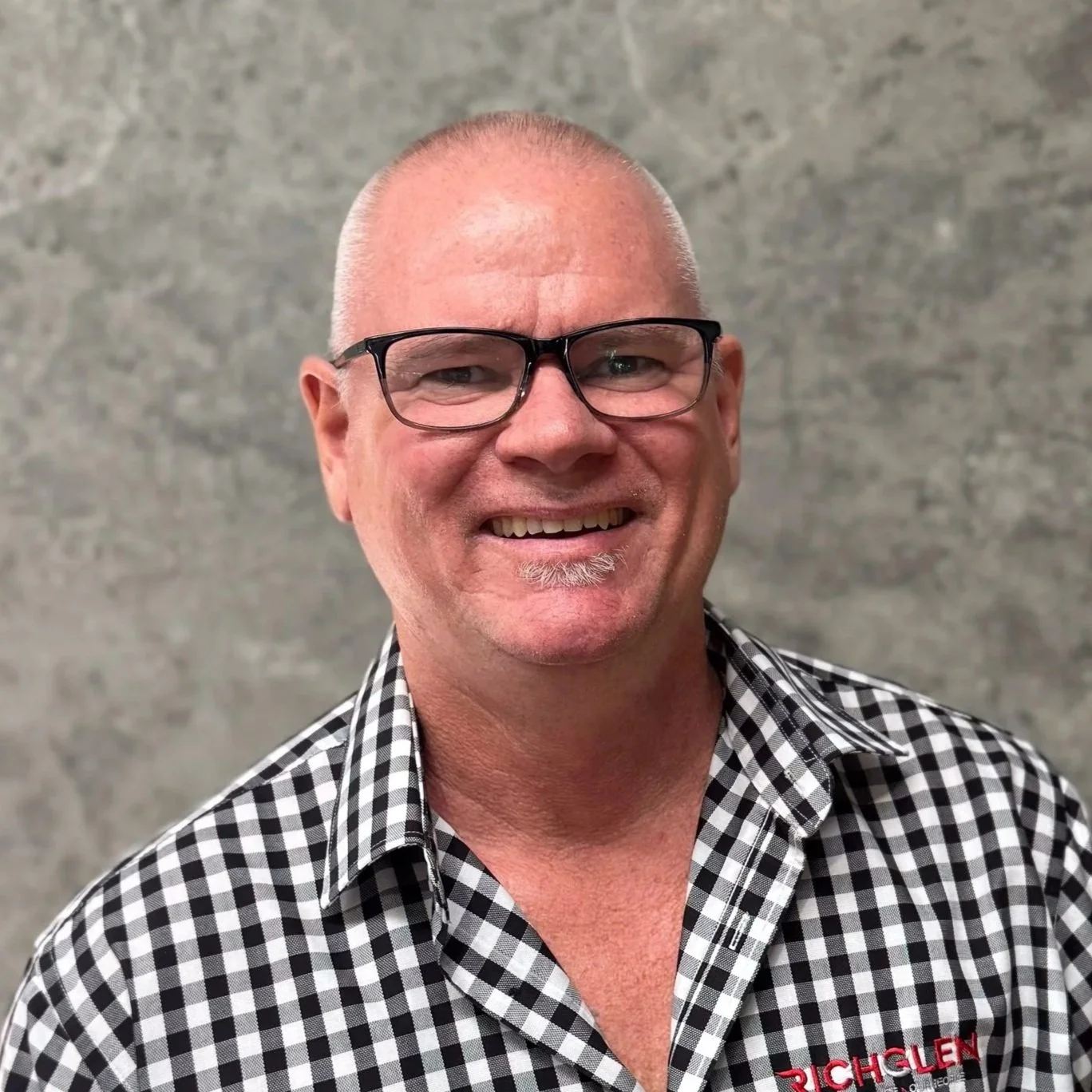
Chris Carleton
HSEQ Manager at Richglen Maintenance Services
ccarleton@richglen.com.au